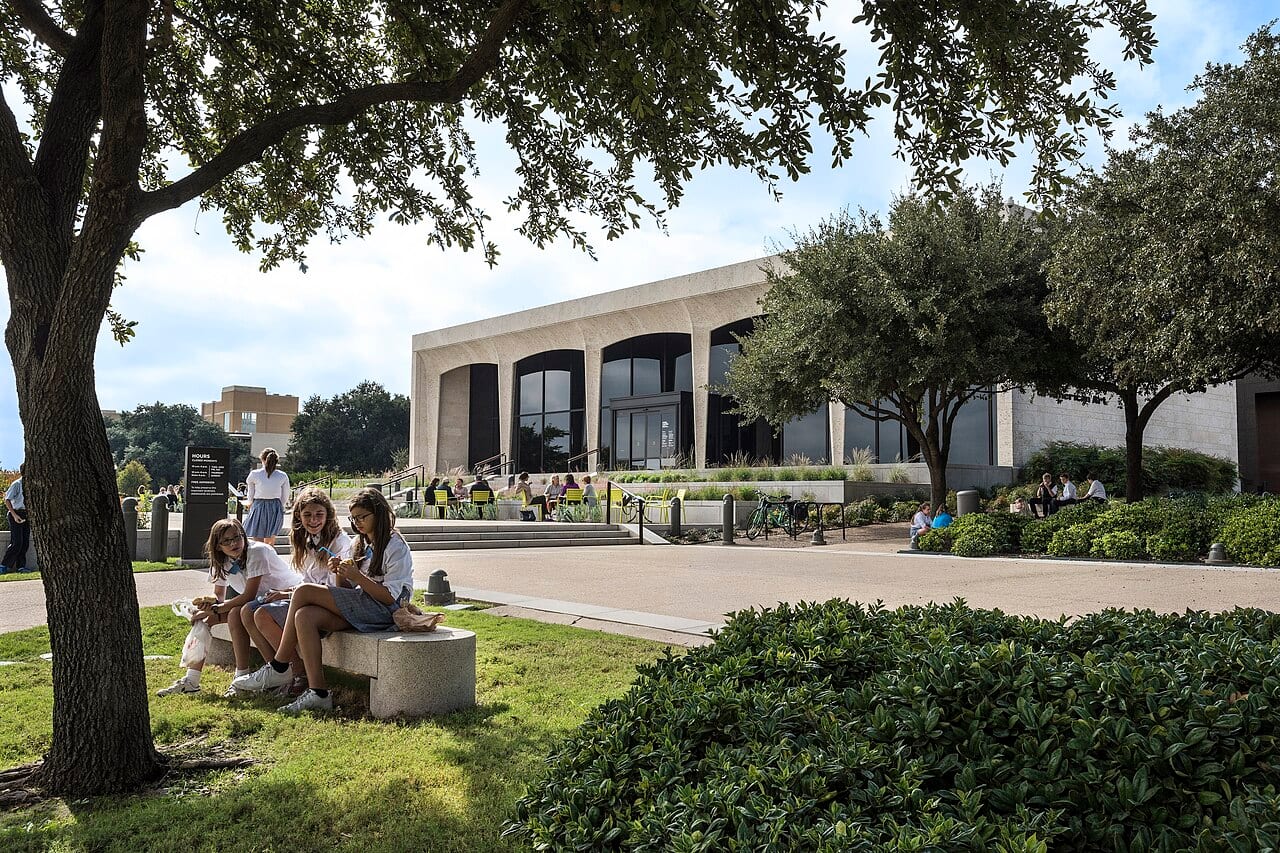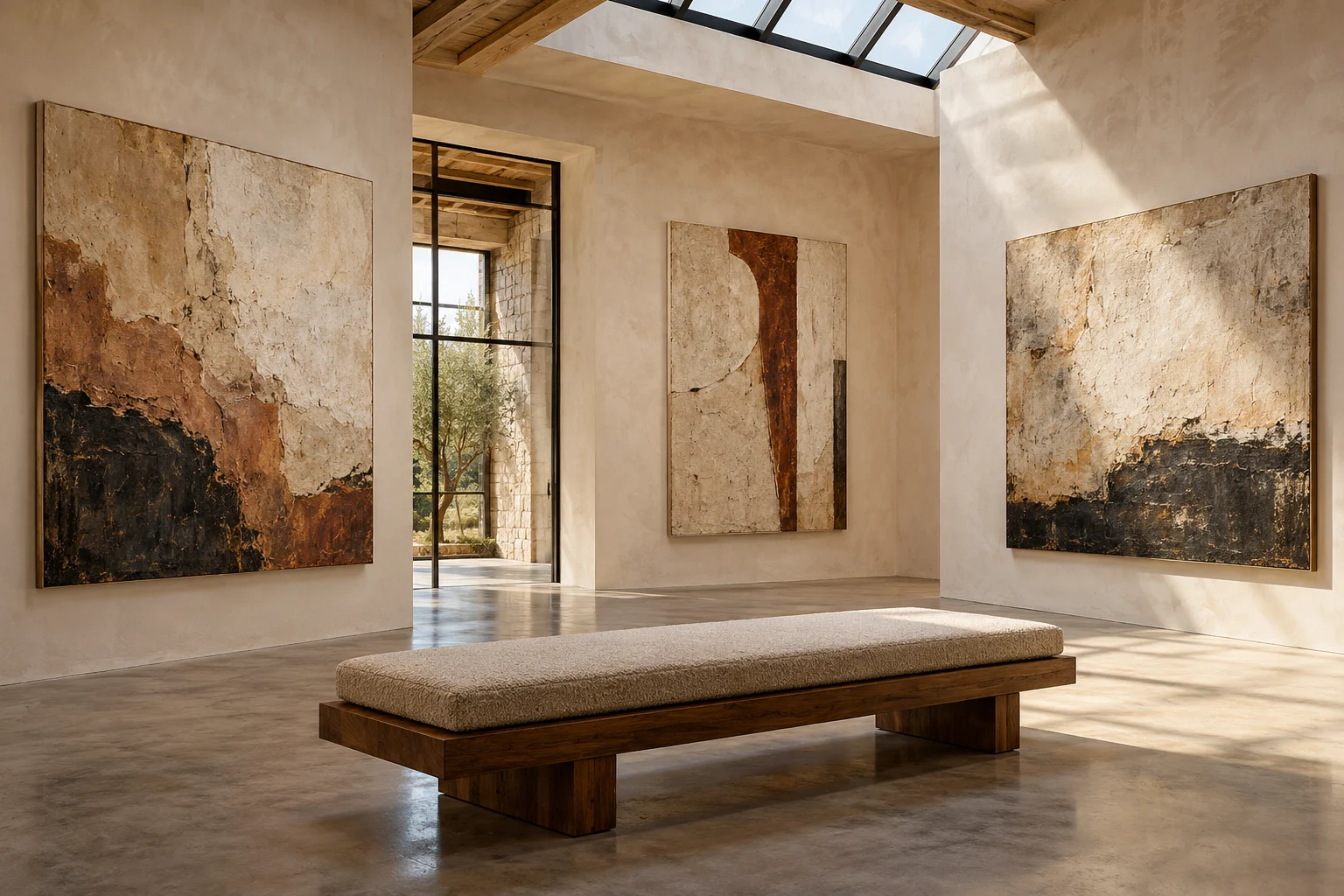
A museum membership often feels like a mandate to witness every rotating installation, every multimedia installation, and every historical retrospective available in the DFW area. The sheer volume of programming can transform a cultural outing into a checklist of accomplishments rather than a moment of genuine engagement. When the goal is to connect with the local art scene, the temptation to rush through three different wings to see the "must-see" highlights often results in a blurred memory of colors and shapes.
The Weight of the Shared Schedule
For many, a trip to a local institution is a social negotiation. You might find yourself sitting across a dinner table, trying to justify why you want to spend two hours in a single, quiet room dedicated to one specific artist, while your partner is eyeing the large-scale sculpture garden or the blockbuster exhibition in the main hall. This tension between individual curiosity and shared activity is a common friction point in how we navigate our city's cultural spaces.
For example, if you are deciding on an afternoon outing, you might face a tradeoff: do you attempt to cover three different exhibitions to satisfy a sense of completion, or do you commit to one specific show and allow yourself the time to sit, observe, and process? The former offers a broader view but often leaves the viewer feeling hurried and intellectually thin. The latter offers depth but requires a willingness to forgo the rest of the museum's offerings.
Evaluating Your Viewing Preferences
To resolve the debate with a partner, move the conversation away from what is "popular" and toward how you both prefer to consume art. Some people find energy in the movement of a crowd and the variety of a large collection, while others find that a singular focus allows for a more profound connection to the work. Consider whether you are looking for a conversation starter or a moment of solitary reflection.
Before heading out, ask yourselves how much time you want to dedicate to the experience. If you choose to focus on one exhibition, determine if you want to spend your time reading the accompanying descriptions or if you prefer to let the visual elements dictate your reaction. You might also ask the museum staff about the typical flow of the specific exhibition you have chosen to see, or if there are certain quiet hours that might better suit your preferred pace.
Choosing Depth Over Breadth
The most successful cultural outings in North Texas are often those that prioritize quality of attention over quantity of exhibits. Instead of attempting to conquer the entire floor plan, select one verified exhibition that aligns with your current interests. By narrowing your scope, you transform a frantic tour into a meaningful ritual. When you present this choice to your partner, frame it as an invitation to engage deeply with a single idea, rather than a refusal to see the rest of the building. This shift in perspective turns a potential disagreement into a shared commitment to a more intentional way of experiencing the city.