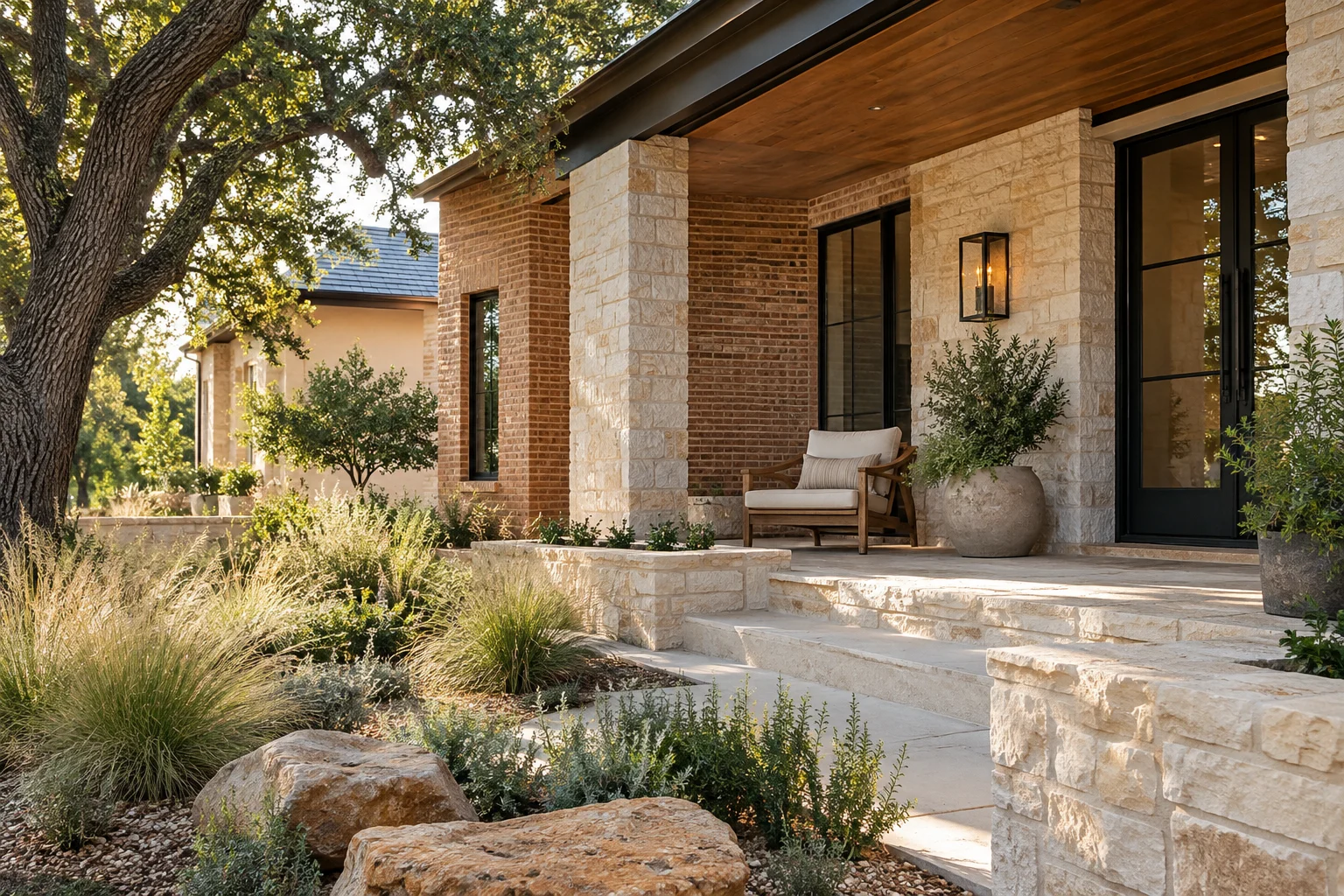
A stack of folded chairs in a corner or a neglected bistro set gathering dust serves as a quiet reminder of a project left on hold. For many homeowners in the Dallas–Fort Worth area, the decision to finish a small patio often slips to the bottom of a growing list of household tasks. Returning to that decision requires more than just a trip to a local garden center; it requires deciding exactly how that square footage will function in your daily life.
One Primary Intention
Small spaces struggle to multitask. While it is tempting to try and squeeze in a dining table, a lounge sofa, and a reading nook, doing so often results in a cluttered area that feels cramped rather than relaxing. The most successful small patios tend to commit to a single mode of living.
You might choose the quiet solitude of a reading corner, where a single comfortable chair and a small side table provide a retreat. Alternatively, the space could become a social hub designed for conversation, centered around low-profile seating that encourages eye contact. If the goal is dining, the footprint must prioritize a table and chairs that allow for easy movement. Choosing one primary use creates a sense of order and prevents the space from feeling like a storage area for mismatched furniture.
Testing the Layout
Before committing to a purchase, the physical reality of the space must be tested. A common mistake is selecting furniture based on a showroom floor rather than the actual dimensions of the patio. For example, if you are considering a set of four dining chairs, the space must accommodate not just the table, but the distance required to pull those chairs out and walk behind them.
Imagine you have decided on a conversational lounge setup. Before buying, try placing cushions or temporary stools in the intended positions. Observe how the light hits the area at different times of the day and how the placement affects the flow from your back door to the rest of the yard. This trial period reveals whether a piece feels intrusive or if it truly enhances the area's utility.
Navigating Access and Logistics
Once a layout feels right, the logistical details of bringing that vision to life become the priority. Moving heavy items through narrow side gates or around tight corners is a frequent hurdle in established neighborhoods. Ask the retailer how they handle delivery to specific entry points and whether they can navigate the unique layout of your property.
If you are considering permanent fixtures or significant structural additions to the patio, such as built-in seating or overhead structures, ask a contractor which local approvals apply and who would arrange them; confirm unresolved questions with the relevant authority. By settling on a single purpose and testing the physical boundaries of your space, you can turn a postponed task into a functional part of your home.


