This is a paid partner contribution. Commercial relationships are disclosed so readers can distinguish sponsored content from editorial guides.
The transition into the final quarter often brings a sudden shift in how businesses and community organizations interact with their surroundings. For many in the Dallas area, this period is defined by a heightened pace of events, seasonal promotions, and increased foot traffic. Rather than reacting to these changes as they arrive, taking time to organize your visual communication can change how you manage the upcoming months.
Evaluating your current visibility
Before adding new elements to your space, look at what is already in place. Walk through your entrance, your storefront, or your event layout as if you were a first-time visitor. Observe whether your current messaging is clear or if it has become lost in the clutter of daily operations. You might find that certain displays are faded, outdated, or no longer align with your current goals.
Consider the tradeoff between quantity and clarity. While it may be tempting to fill every available surface with information, an abundance of competing visuals can sometimes make it harder for people to find what they need. For example, if you are hosting a seasonal sale, you might choose between a large, singular banner that catches the eye from a distance or several smaller signs placed at eye level for closer reading. Each choice changes how a person interacts with your space.
Organizing digital and physical assets
The rush of the year-end often involves both physical signage and digital displays. If your business uses screens to communicate updates, consider how that information flows. Ask a professional how they might assist with digital signage content to ensure your messaging remains consistent across different platforms. Consistency helps prevent confusion when a customer moves from seeing an advertisement online to walking through your physical doors.
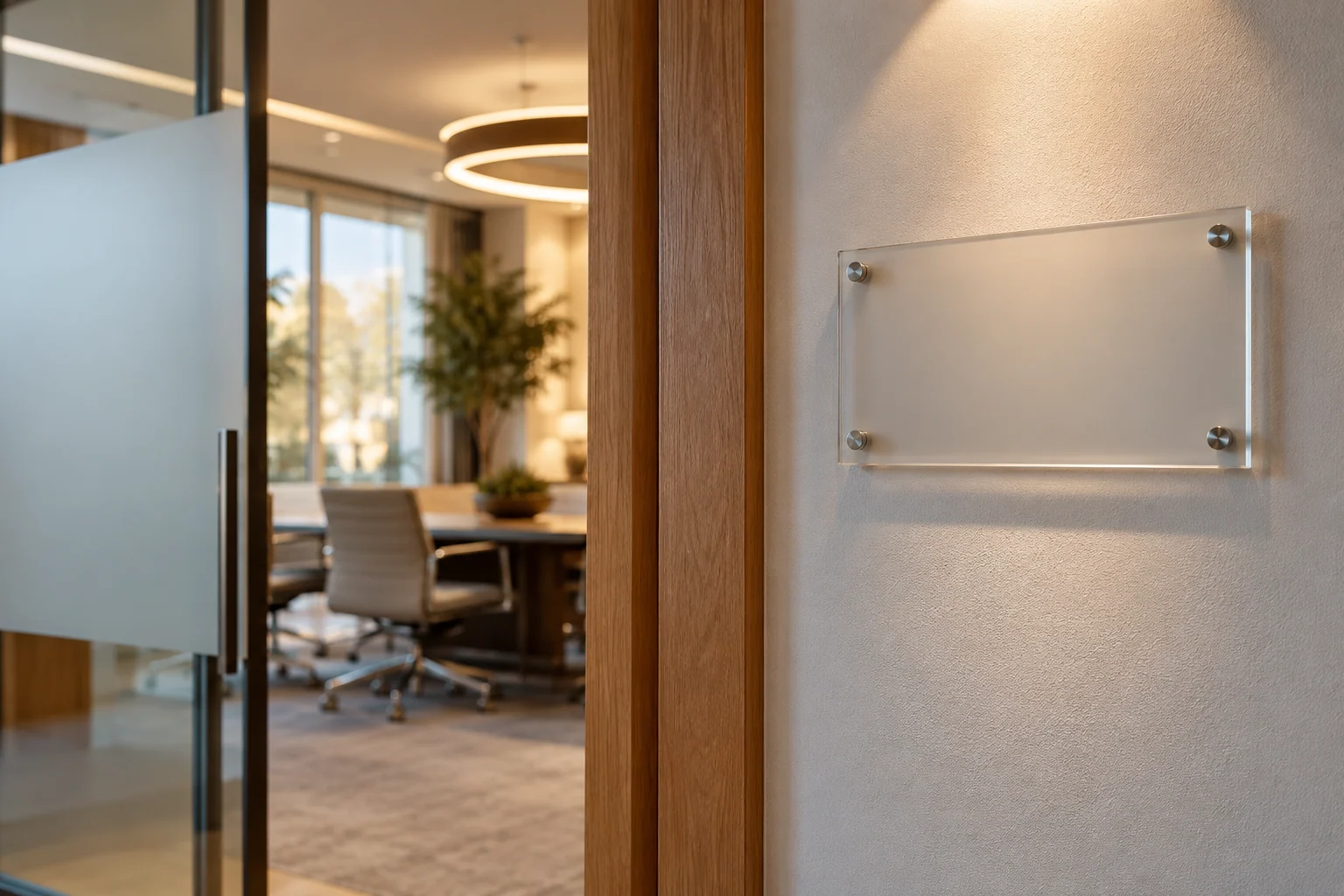
When planning for physical updates, such as custom signs dallas, gather your specific requirements early. This includes measuring your available mounting spaces, noting your preferred color palettes, and determining the specific environments where the materials will live—whether indoors or outdoors. Having these details ready allows for more precise discussions regarding materials and placement.
Mapping out your seasonal timeline
The timing of your communication is as important as the message itself. A sign that arrives after an event has ended serves little purpose. To avoid the stress of last-minute decisions, create a calendar that marks your key dates, including holidays, inventory changes, or special community events. This allows you to work backward from your deadlines to determine when you need to finalize designs and when materials need to be installed.
As you prepare, ask potential providers about their timelines for production and installation. Inquire about what information they need from you to meet your specific dates and what the process looks like from the initial concept to the final placement. By organizing your measurements, your dates, and your visual goals now, you can move through the year-end period with a clear sense of direction.