A folded brochure or a half-finished digital itinerary sits on a desk, a silent reminder of a plan that was pushed aside. For many in the Dallas–Fort Worth area, the sudden shift in a major event—be it a concert, a professional summit, or a sporting milestone—leaves a trail of unfinished business. When the new dates finally arrive, the impulse is to rush back into the booking process to secure a spot before the window closes again.
Distinguishing Certainty from Assumption
The first hurdle in returning to a postponed trip is separating the confirmed from the assumed. It is easy to operate under the assumption that because an event has been rescheduled, the surrounding infrastructure remains identical. However, the landscape of local hospitality and transit can shift in the months between the original date and the new one. A hotel that was once a convenient base might now be undergoing renovations, or a previously reliable transit route might have altered its schedule.
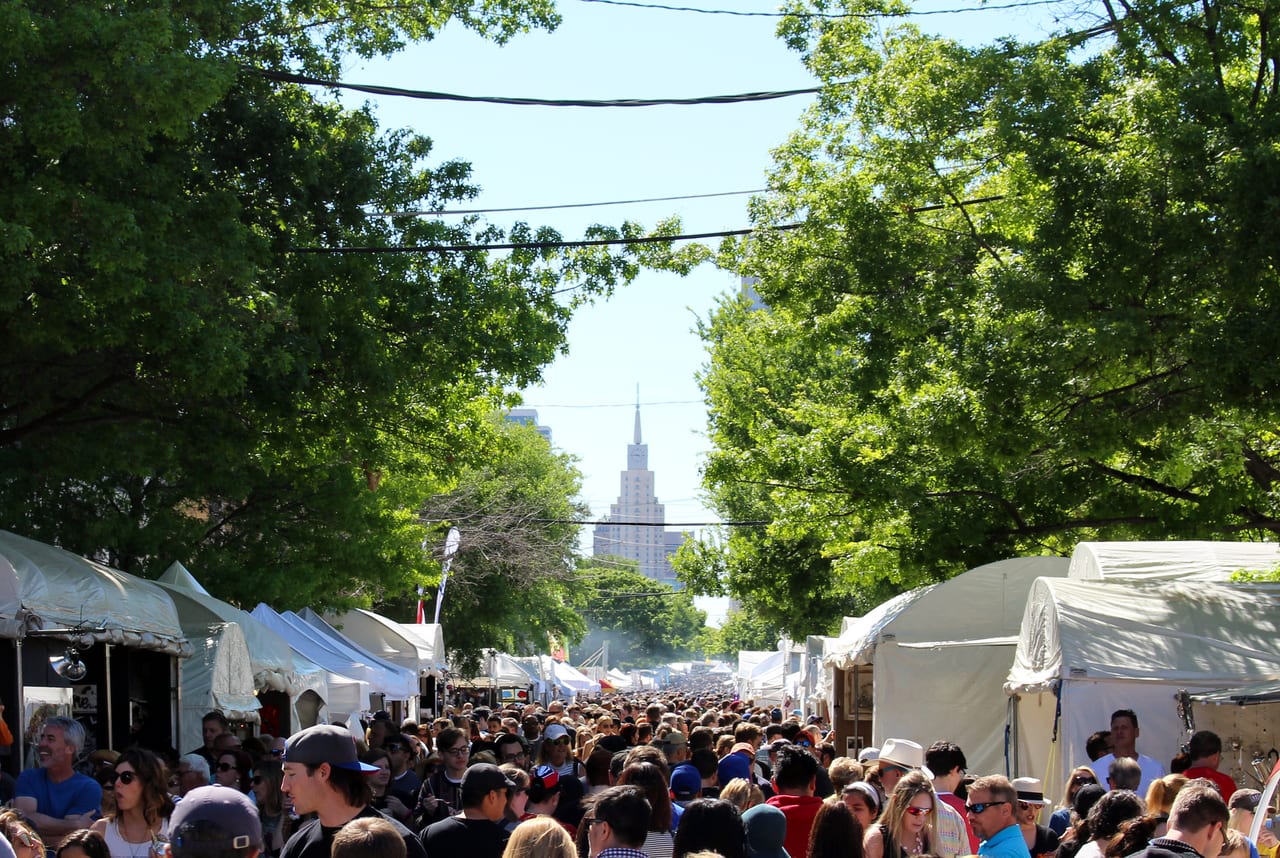
For example, if you are planning a weekend in a busy part of the metroplex for a rescheduled festival, you might assume your previous notes on parking availability are still accurate. In reality, new construction or changes in local traffic management could mean that the street you once used for quick access is now a restricted zone. The tradeoff involves choosing between the comfort of a familiar, previously vetted location and the necessity of finding a new arrangement that better fits the current reality of the area.
Refining the Logistics
Once the event date is firm, the focus shifts to the mechanics of the stay. Rather than relying on old data, look at the current offerings. When contacting an accommodation provider, ask how their current check-in procedures align with your arrival time, especially if your transport depends on specific windows of availability. If you are relying on ride-sharing or local shuttles, ask how the current demand during that specific event window might affect wait times or service zones.
If you are coordinating a group, the complexity increases. Ask the venue or the lodging manager how they handle large, returning parties and whether any new policies regarding shared spaces or group dining have been implemented since your last interaction. This ensures that the social aspect of the trip remains as seamless as the logistical one.
Securing the Final Itinerary
The final stage of returning to a postponed commitment is the verification of the small details that bridge the gap between a plan and an experience. This is not the time for guesswork. Review your transport connections and your lodging details one last time. Ask your service providers for any updated information regarding access points or specific arrival instructions that may have changed. By treating the rescheduled event as a fresh start rather than a continuation of an old plan, you ensure that the trip is defined by the event itself rather than the friction of its reorganization.