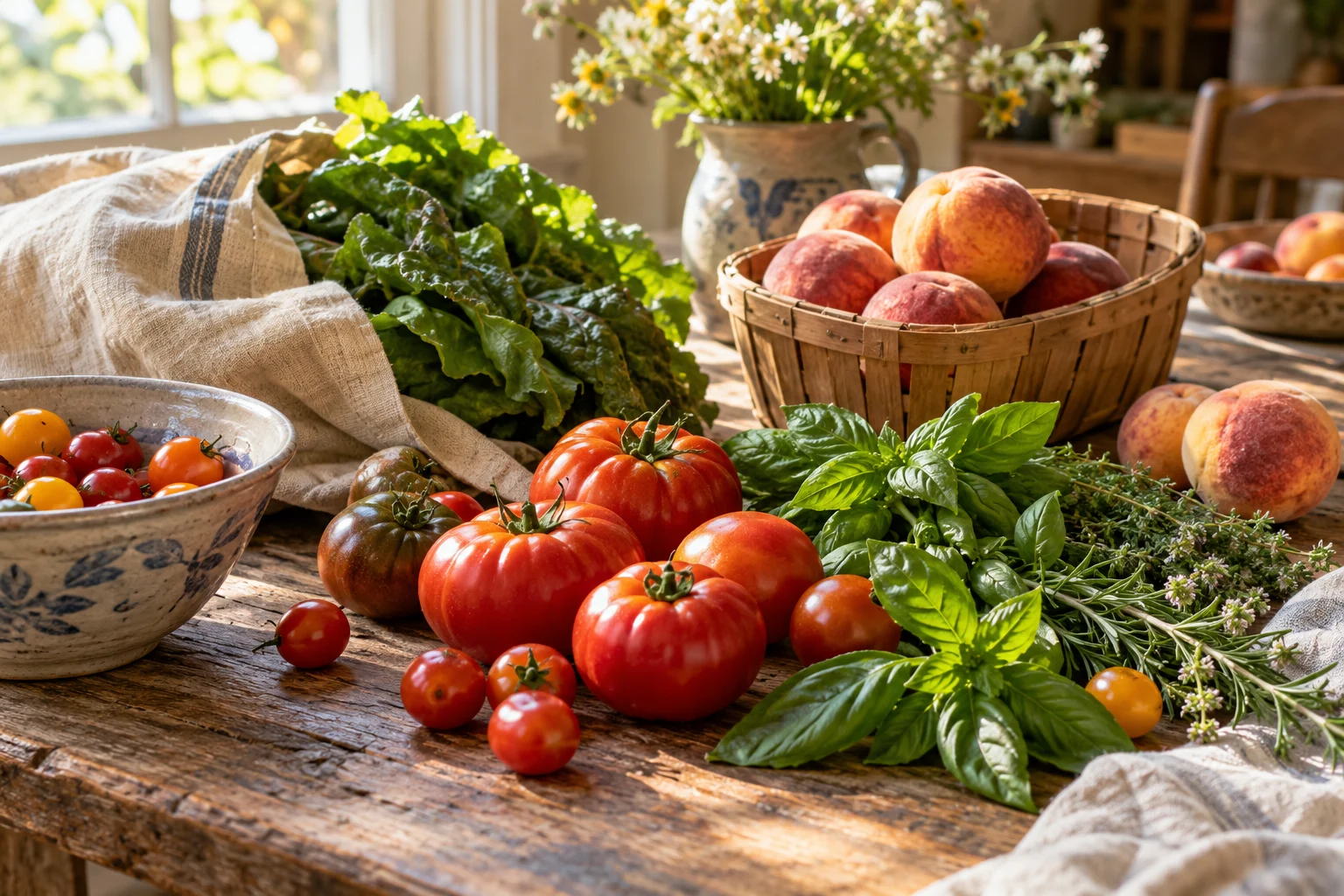
A single trip through a local market often results in a basket filled with a few core ingredients that feel destined for one specific recipe. However, the most efficient way to shop for a group is to select items that offer a meaningful tradeoff between simplicity and variety. By focusing on a small, versatile set of components, you can satisfy a crowd without committing to a rigid, singular menu.
The core components
Consider a basket containing three distinct elements: a crusty loaf of sourdough, a block of sharp aged cheese, and a jar of seasonal preserves. On their own, these items are straightforward. When brought together, they serve as a pivot point for different dining styles. The decision facing a group is often whether to lean into a heavy, cohesive meal or to keep the components light and modular.
Navigating the menu split
For example, if a group is hosting a casual afternoon gathering, these ingredients might serve as the center of a grazing board. The sourdough can be sliced thin, the cheese crumbled, and the preserves spread lightly to create small, individual bites. This approach prioritizes ease of movement and conversation, allowing guests to pick and choose as they please.
Contrast this with a more structured evening setting. The same sourdough can be toasted to provide a warm base, the cheese melted or sliced more substantively, and the preserves used as a concentrated topping. In this scenario, the meal feels more intentional and substantial, shifting from a collection of snacks to a composed dish. The tradeoff here is between the low-effort, high-variety nature of the grazing board and the higher-effort, more cohesive experience of a composed meal.
Managing group preferences
When a group is deciding what can be left optional, the selection of these core items becomes a strategic exercise. If the group chooses to include a protein or a fresh green, the meal expands in complexity. If they decide to leave those out, the meal remains centered on the sourdough, cheese, and preserves. The goal is to identify which ingredients act as the anchors and which act as the variables.
As you plan your next shared meal, observe how the items in your basket interact. Ask yourselves which ingredients are essential to the experience and which can be treated as additions. By selecting a foundation that supports multiple paths, you allow the group to decide the final direction of the table based on the mood of the room.