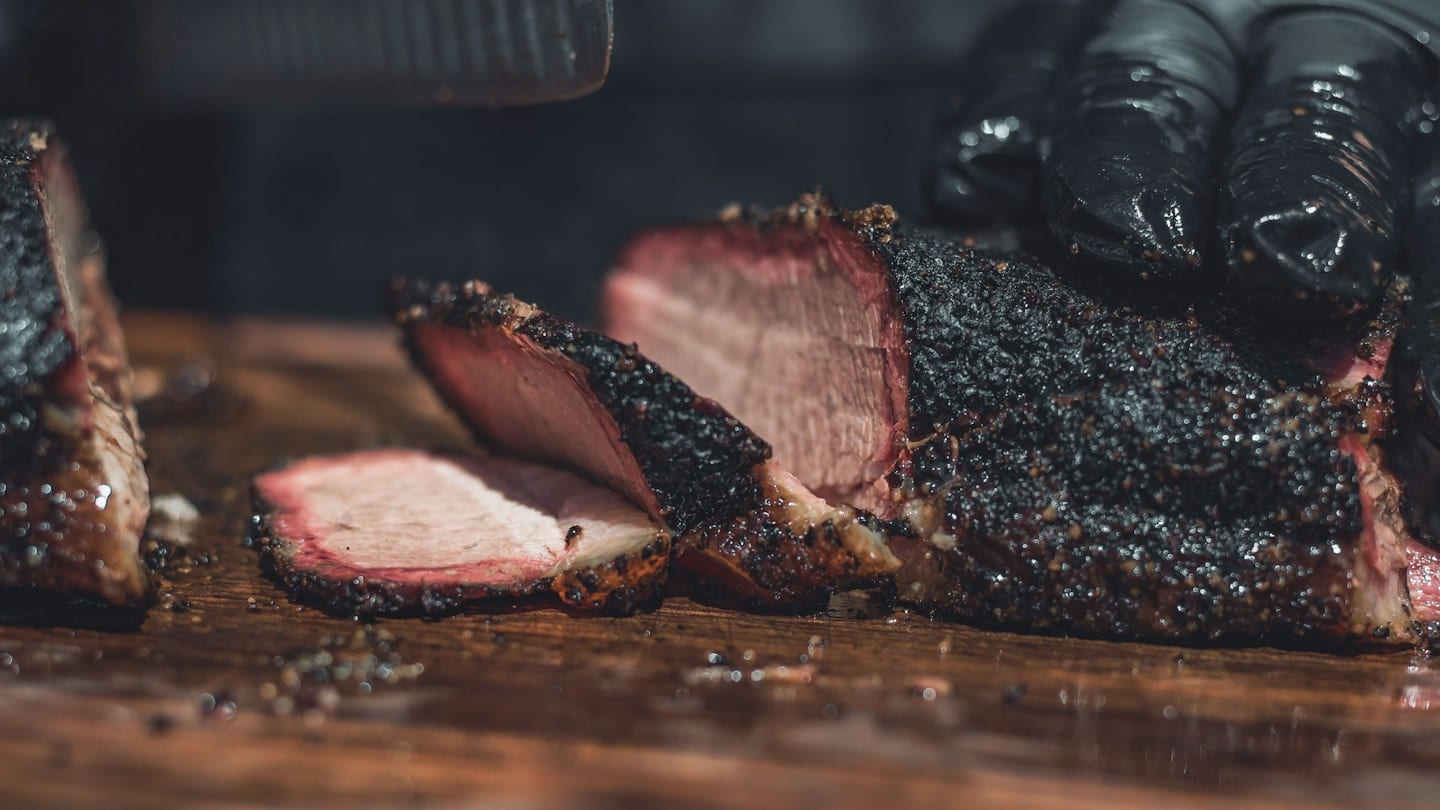
A heavy wooden cutting board sits at the center of a kitchen table, surrounded by a group of friends attempting to finalize a menu for a weekend gathering. The conversation has moved past the easy decisions of appetizers and drinks, landing instead on a singular, polarizing component: a specific variety of pungent, aged cheese or perhaps a particular dried spice. This is the moment where personal taste meets the reality of a shared plate.
The Tension of the Collective Palate
In a group setting, the goal is rarely to satisfy a single person's highest culinary ideal. Instead, the objective shifts toward finding a middle ground that allows everyone to participate in the meal without feeling alienated by a dominant flavor. One person might crave the sharp, overwhelming bite of a specific ingredient, while another might find that same profile entirely unpalatable. This creates a fundamental tradeoff: do you choose the ingredient that provides the most intense experience for a few, or the one that remains a background note for many?
For example, if a group is deciding whether to make a centerpiece dish featuring a highly aromatic oil or a concentrated fermented paste, the decision carries weight. If the group opts for the more intense option, they risk the ingredient overshadowing every other component on the table. If they choose the milder route, they may find the final result lacks the depth they initially discussed.
Listening to the Source
When these decisions reach a stalemate, the most useful tool is not a debate over who has better taste, but rather a direct inquiry into the nature of the ingredient itself. Rather than assuming one brand is better than another, look toward how the seller describes the item's character. Ask the shopkeeper or the producer how they suggest the ingredient be used and what its primary profile entails. Their description can provide a neutral baseline for the group to react to, moving the conversation away from subjective opinions and toward the actual properties of the food.
Understanding the intended role of an ingredient helps manage the quantity you intend to purchase. A small amount of a highly concentrated substance can transform a dish, whereas a larger quantity of a milder ingredient might be necessary to achieve the same impact. Ask the seller how much of the product is typically required to achieve their intended flavor profile in a dish of your size.
Navigating the Final Selection
The decision ultimately rests on whether the ingredient is meant to be the star or a supporting player. If the group cannot reach a consensus on a primary flavor, consider the benefit of making that ingredient optional. You might prepare the base components of the meal and serve the controversial element in a separate vessel. This allows the individual to control their own experience while maintaining the cohesion of the shared meal. By asking the seller about the intensity and the suggested serving size, the group can make a choice based on the ingredient's actual function rather than a guess about its impact.